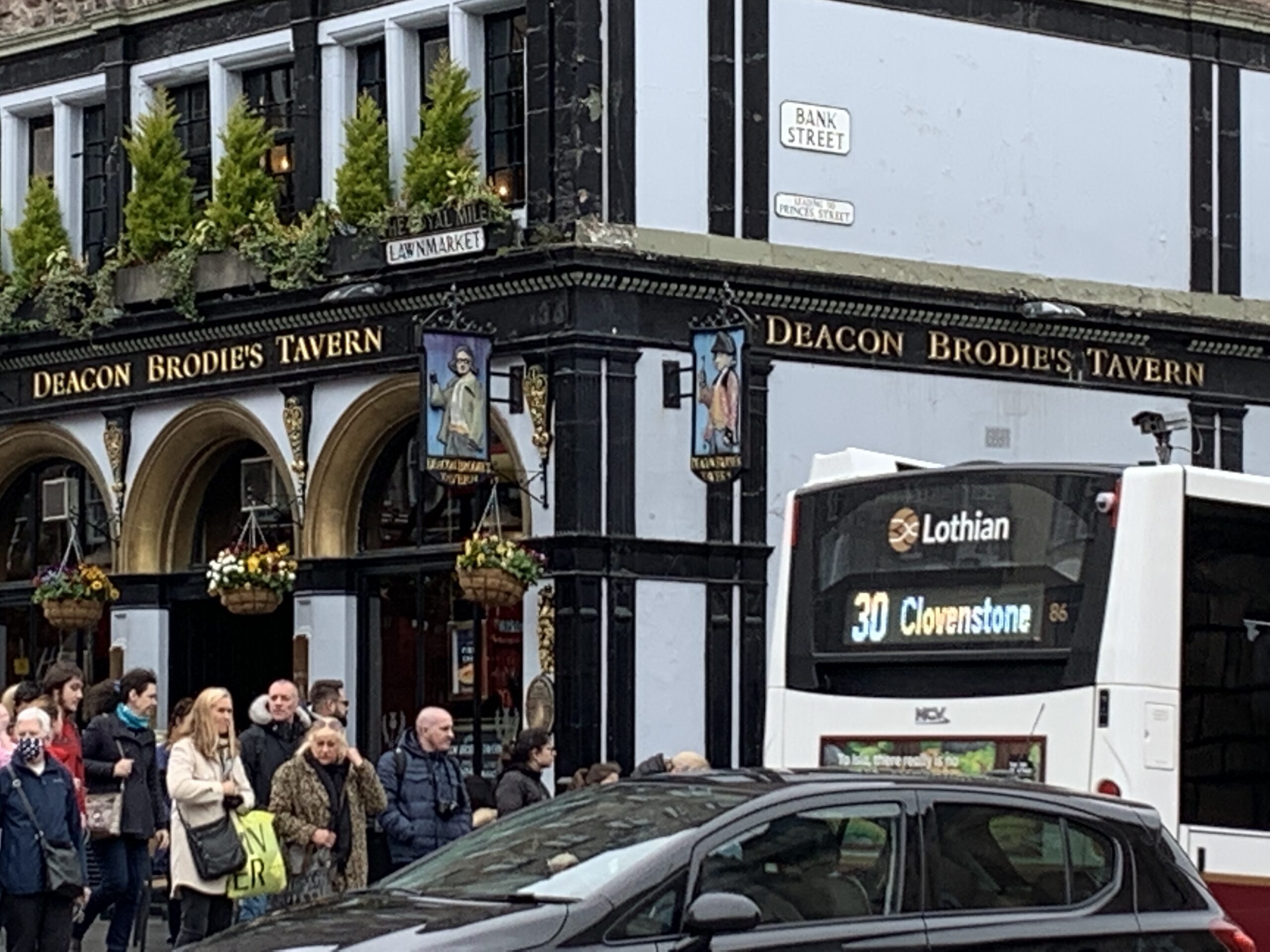
A short train ride from Berwick-upon-Tweed, we arrived in Edinburgh and caught a taxi to our apartment-hotel, near the castle. After getting settled, we wandered up the hill to Lawnmarket, where we had decent beer and indifferent savoury pies at Deacon Brodie’s Tavern. William Brodie (1741-88) was a respected tradesman by day and a criminal gang leader by night: the inspiration for Robert Louis Stevenson’s The Strange Case of Dr. Jeckyll and Mr. Hyde.
Edinburgh is built on a rock
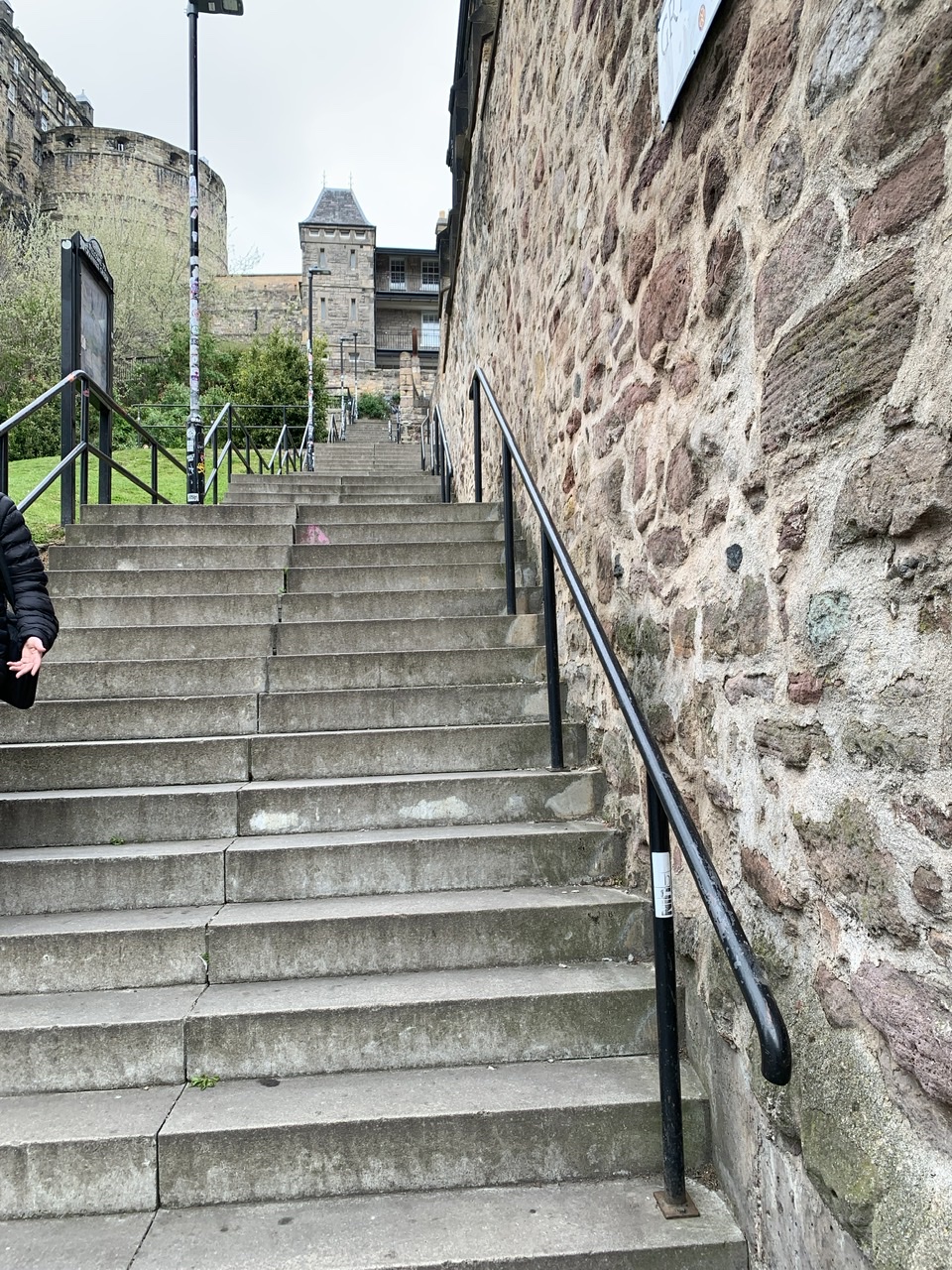
This is important to understand if you are staying in the old town. Stairs and steep streets await your thighs and calves. Brick pavement will addle your feet, however well-shod. Old Town is a hard place.
Fortunately the Royal Mile, from Edinburgh Castle on the rock to Holyrood Palace offers a gentle descent, past many shops touting tartan tat but also past many curious places worth pausing for and exploring.
Old Town
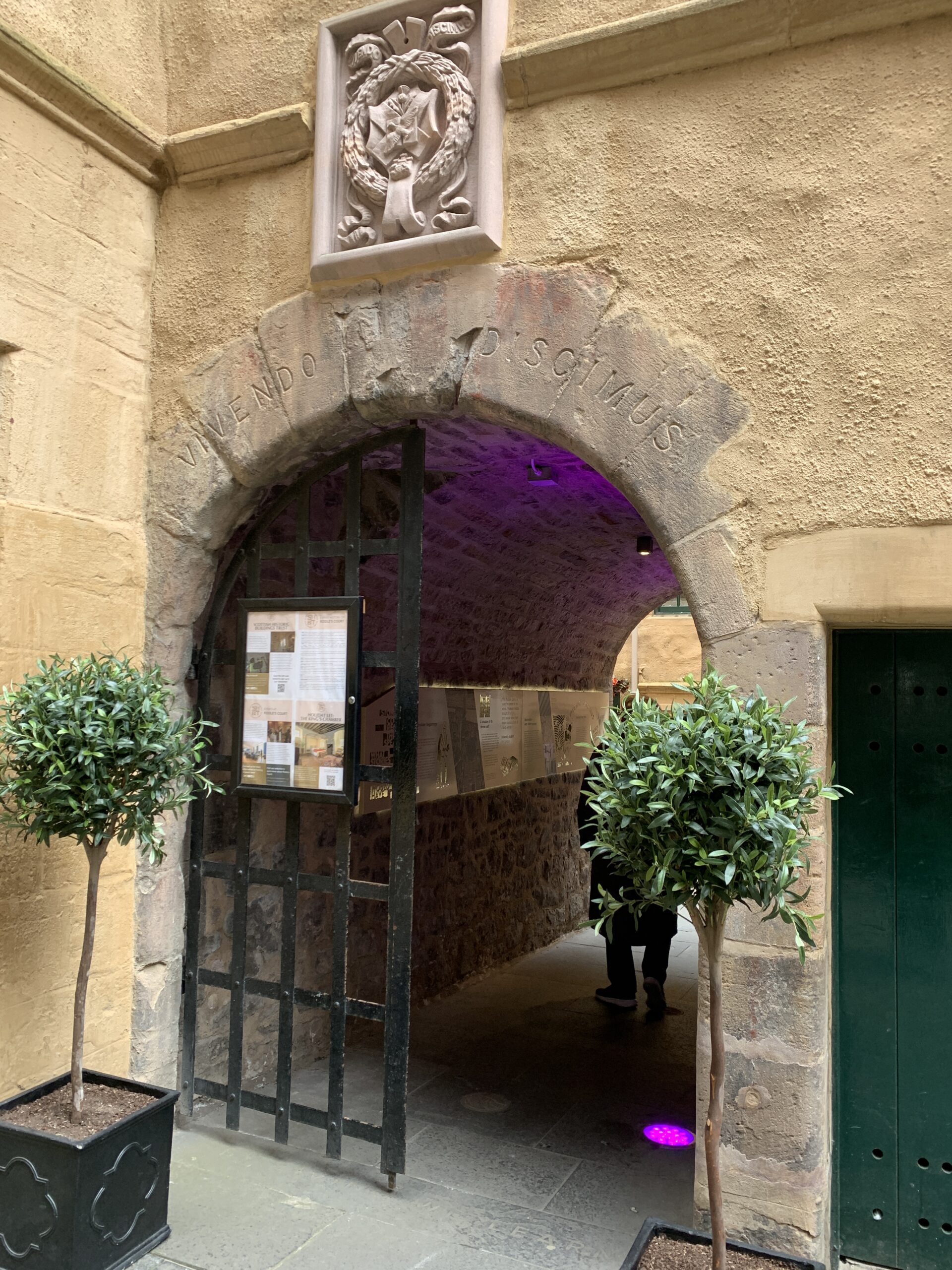
After an overpriced hotel breakfast, we hiked up the hill again and explored some of the older parts of Old Town before strolling down the Royal Mile, where we caught a taxi to Sainsbury’s for breakfast fixings.
Gladstone’s Land
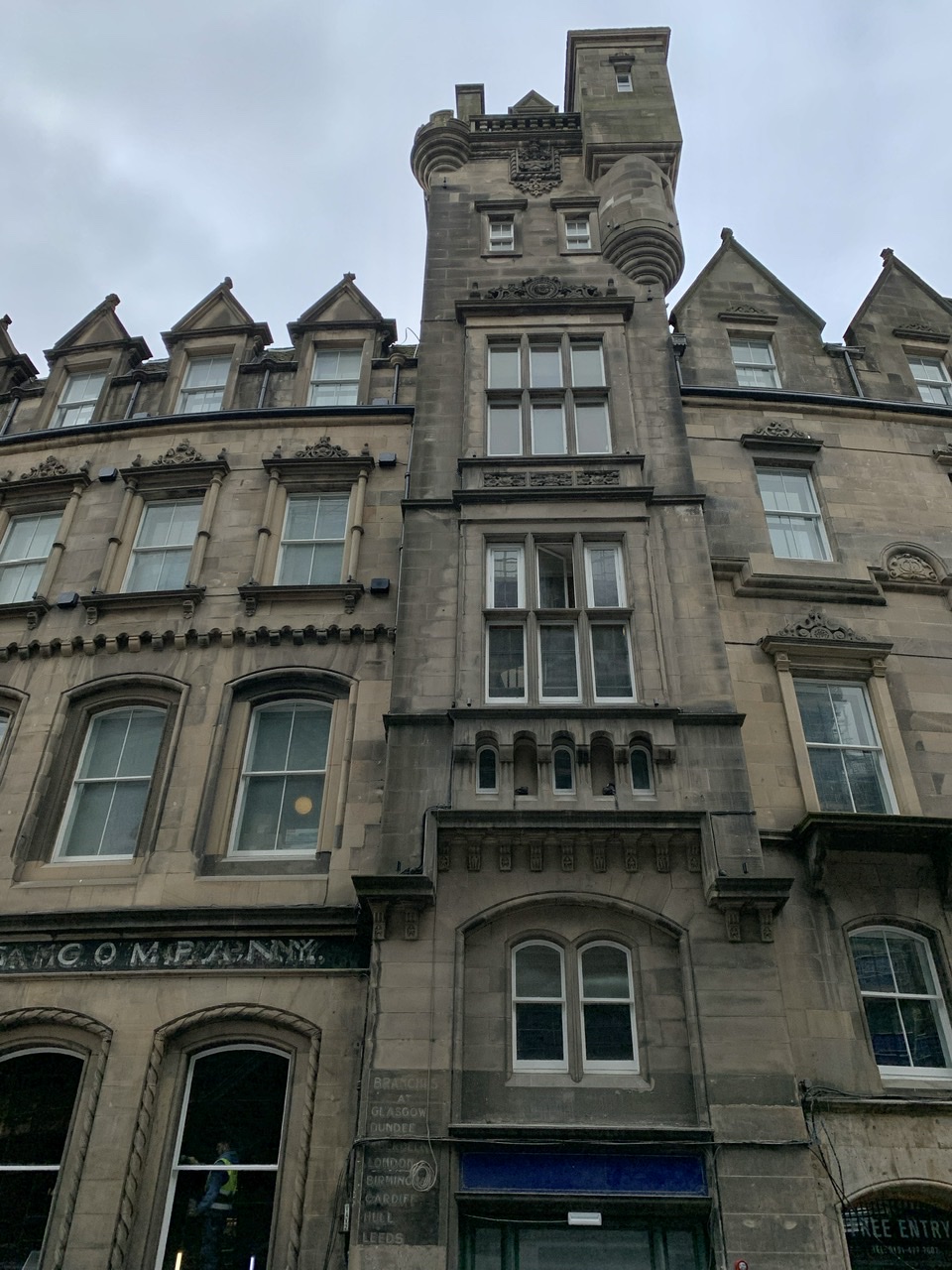
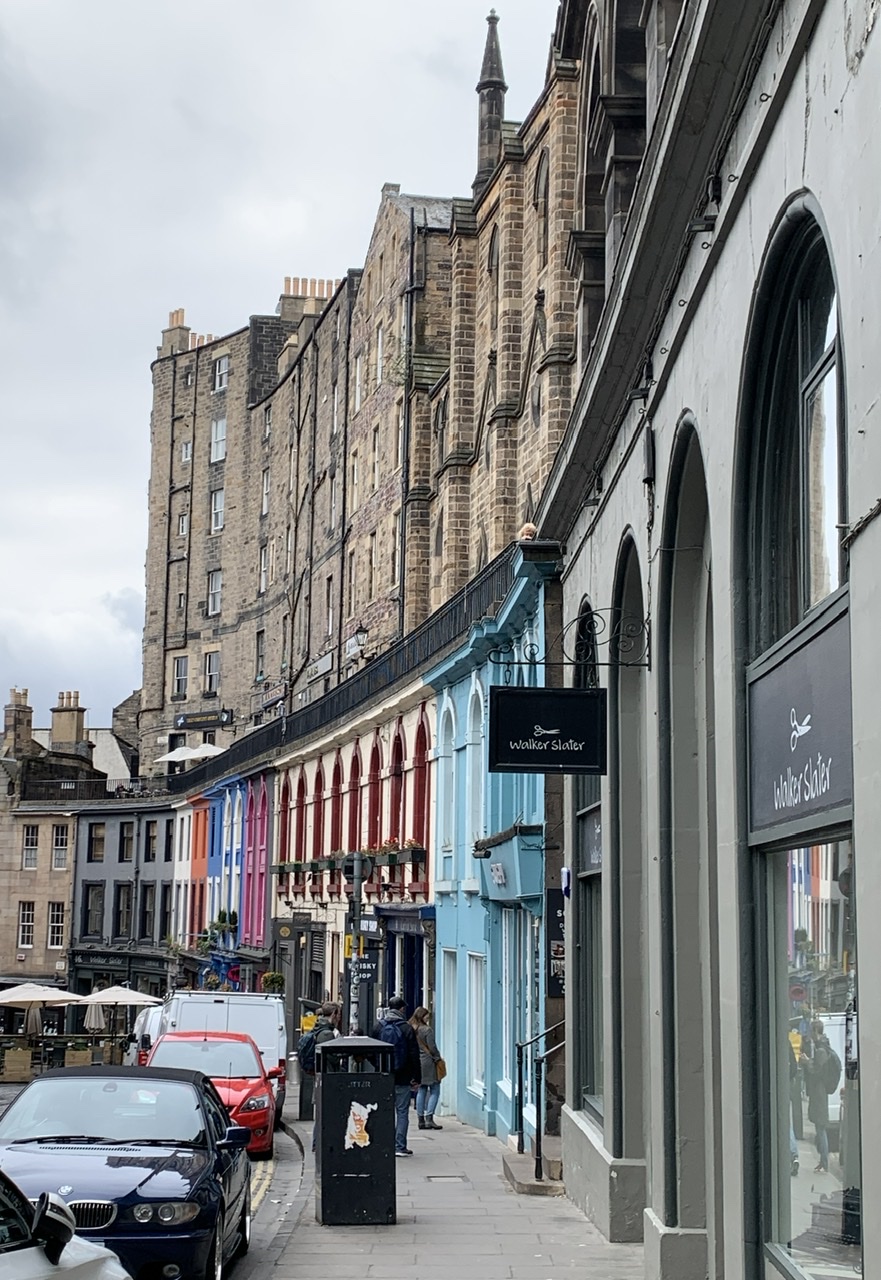
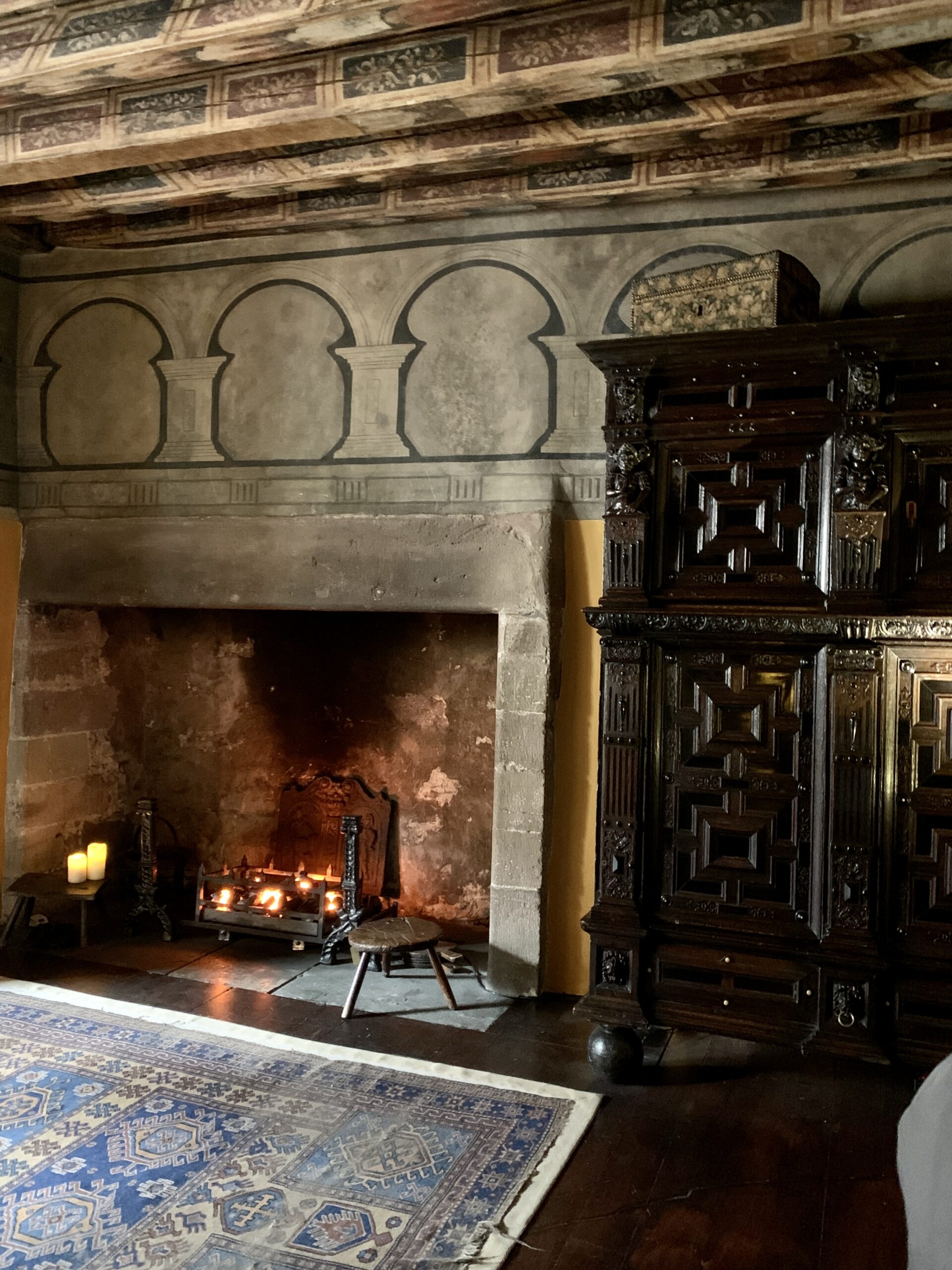
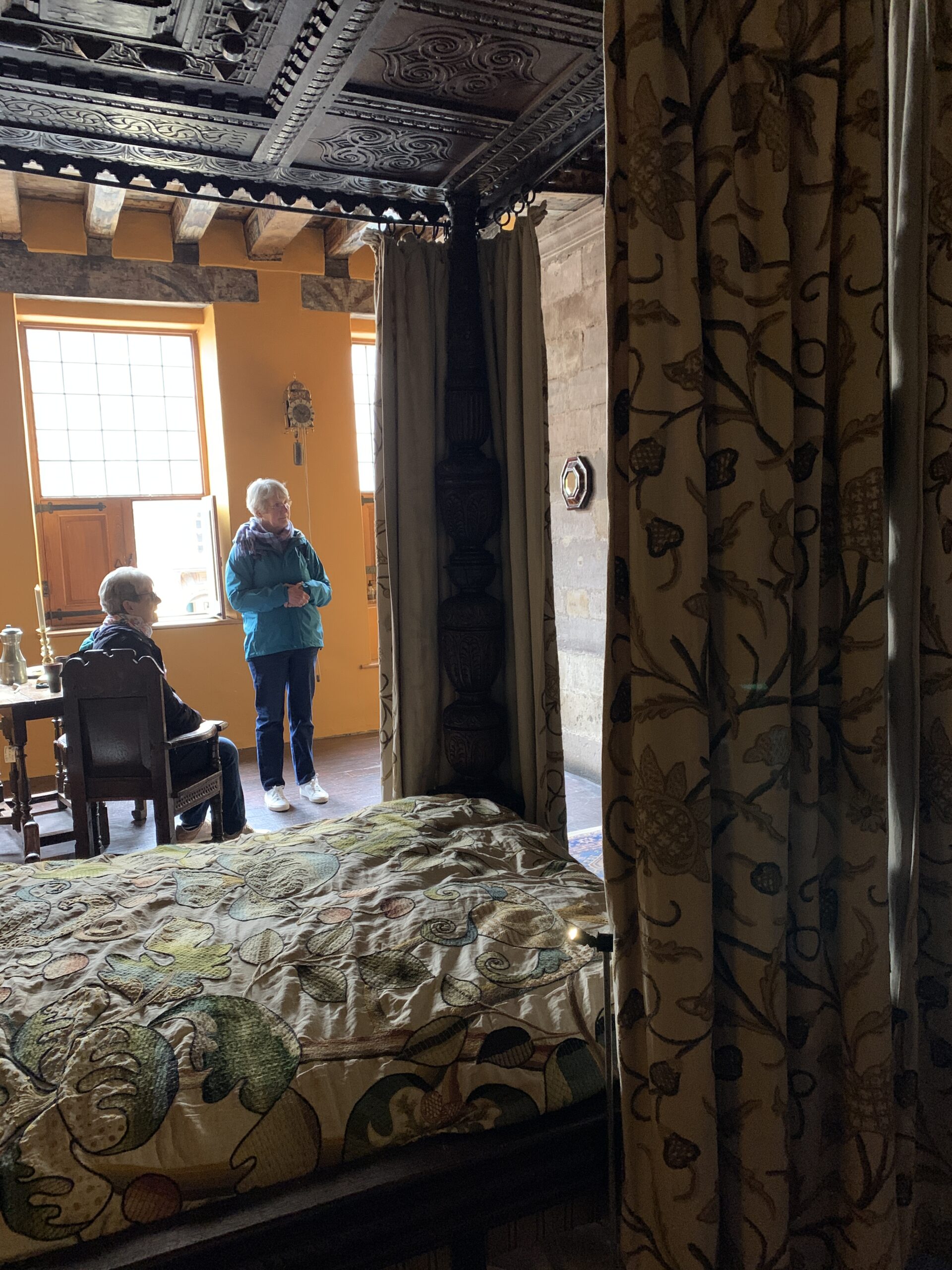
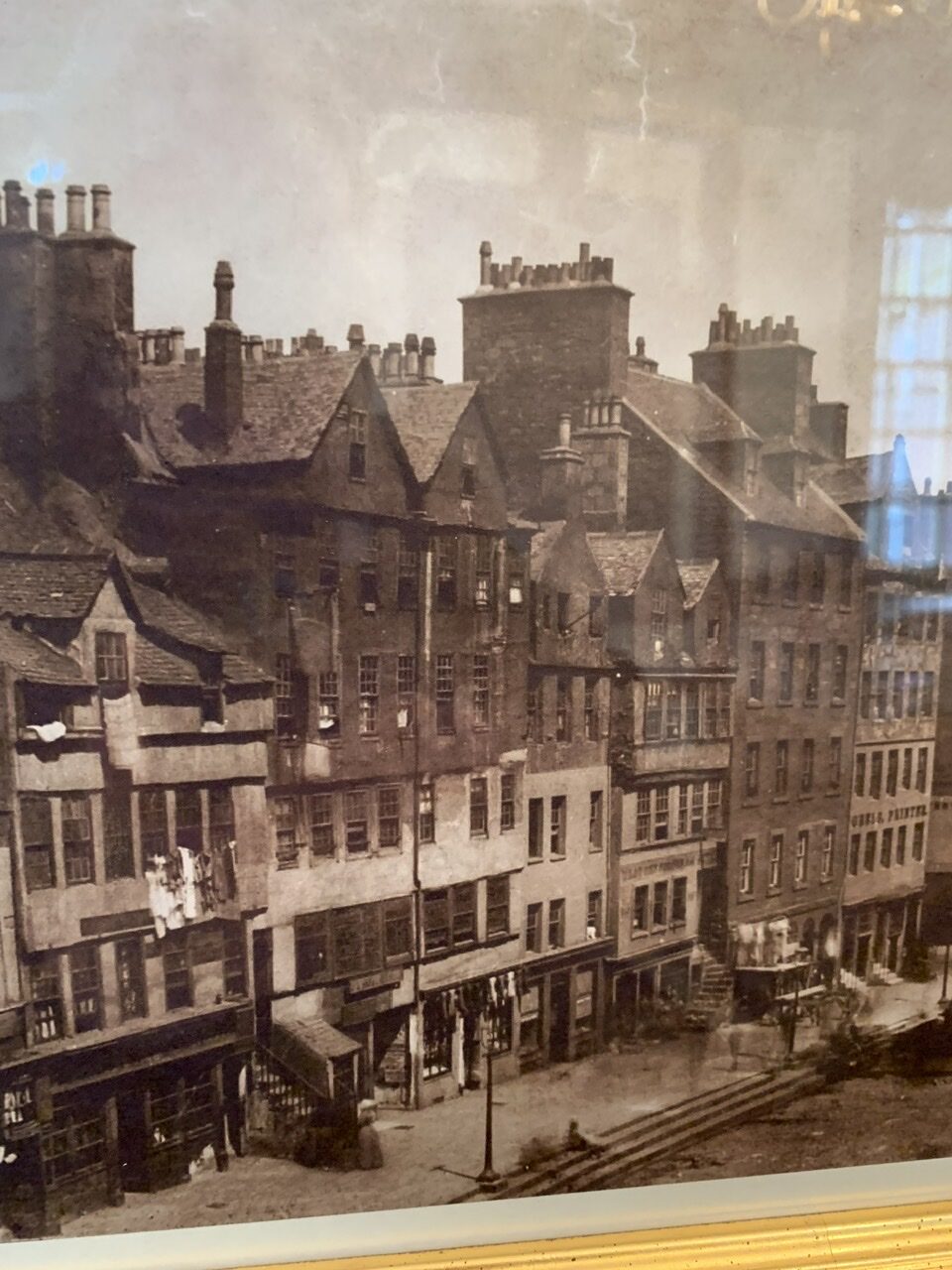
From late medieval times until the late 18th century, Edinburgh was a walled city, very crowded and not terribly salubrious. Everyone, rich and poor, was packed into tenements, some of which rose 10 stories. At six stories, Gladstone’s Land is a survivor of that era. Built in 1550, it housed for much of its existence wealthy merchants (like the eponymous Gladstone) and other comfortable folk. By the 19th century it, like most of Old Town Edinburgh, was a filthy slum. The National Trust has restored the interiors to give a sense of how its inhabitants lived through the centuries.
Old Town streets open to alleys, byways, and closes.
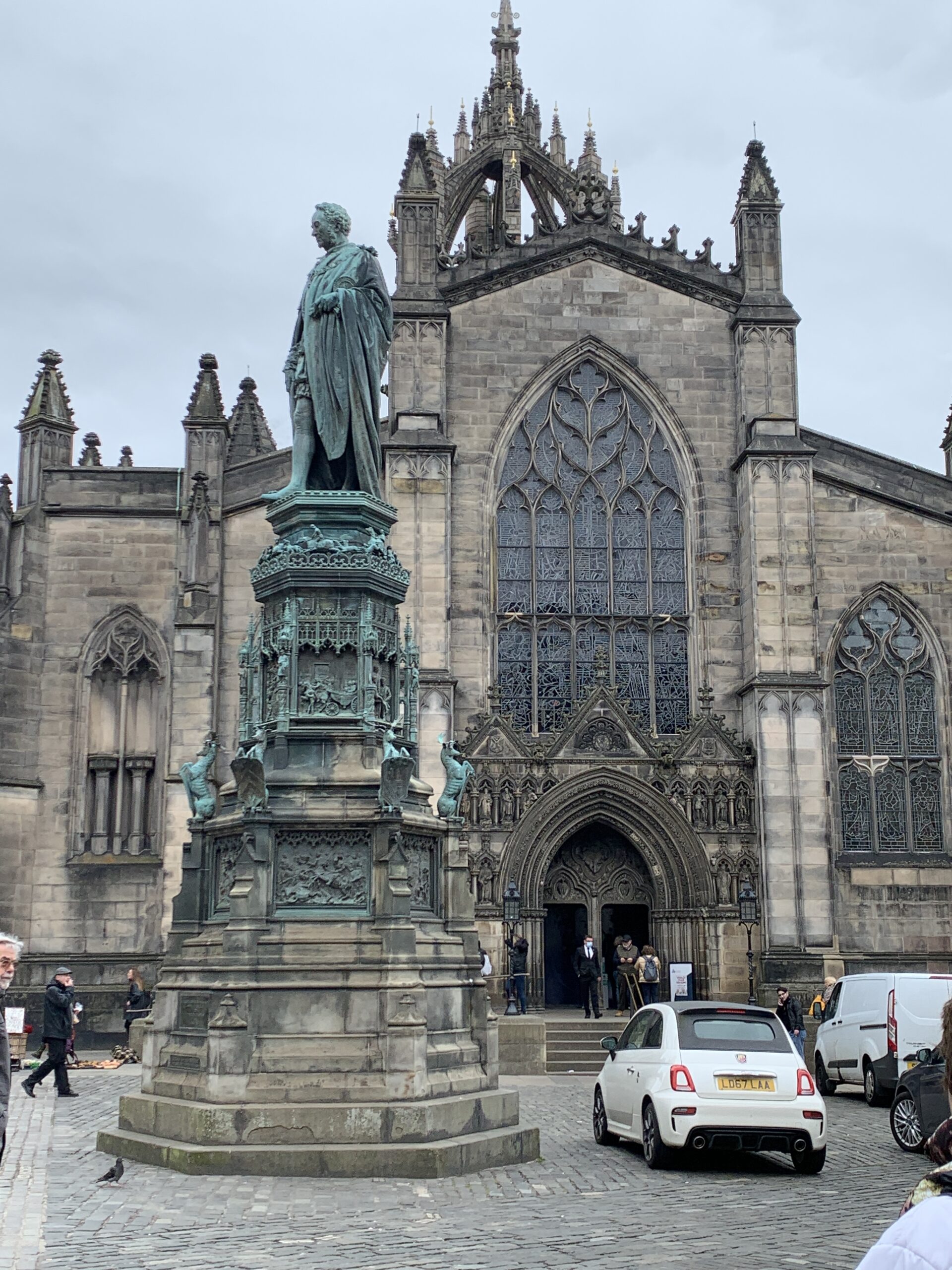
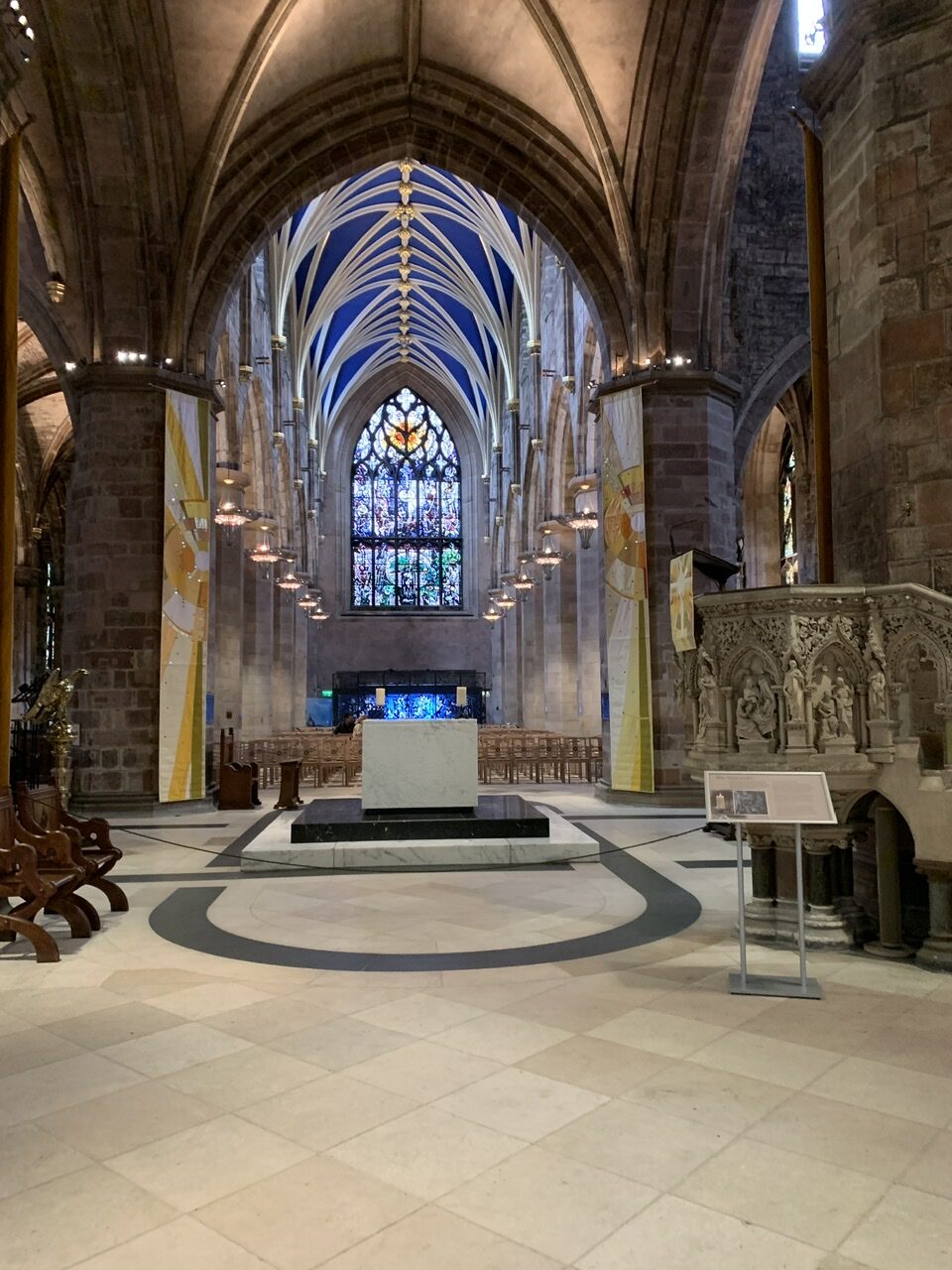
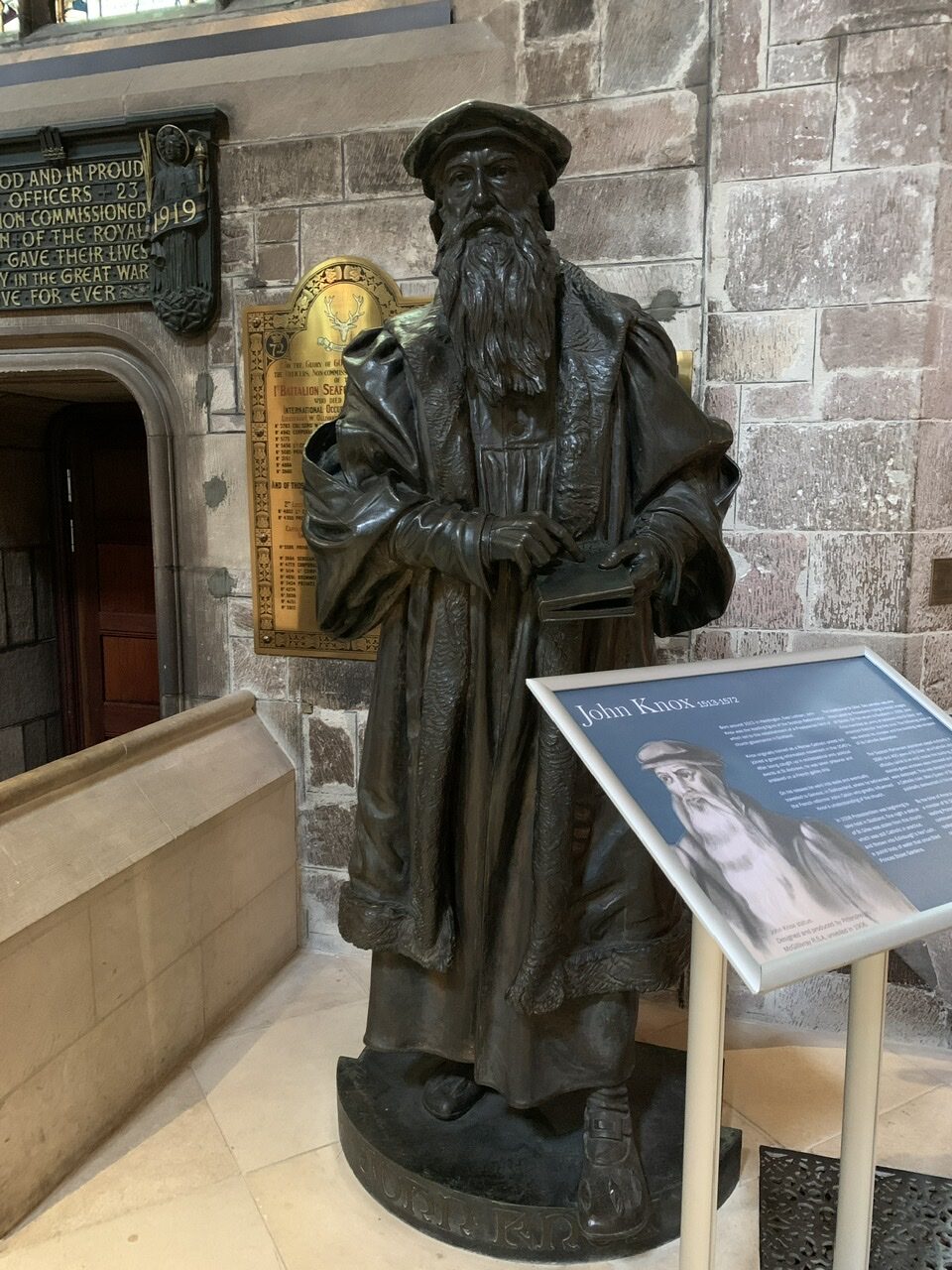
St Giles Cathedral, the High Kirk of Edinburgh, where John Knox, the troublemaker and founder of Presbyterianism, preached and roused the rabble.
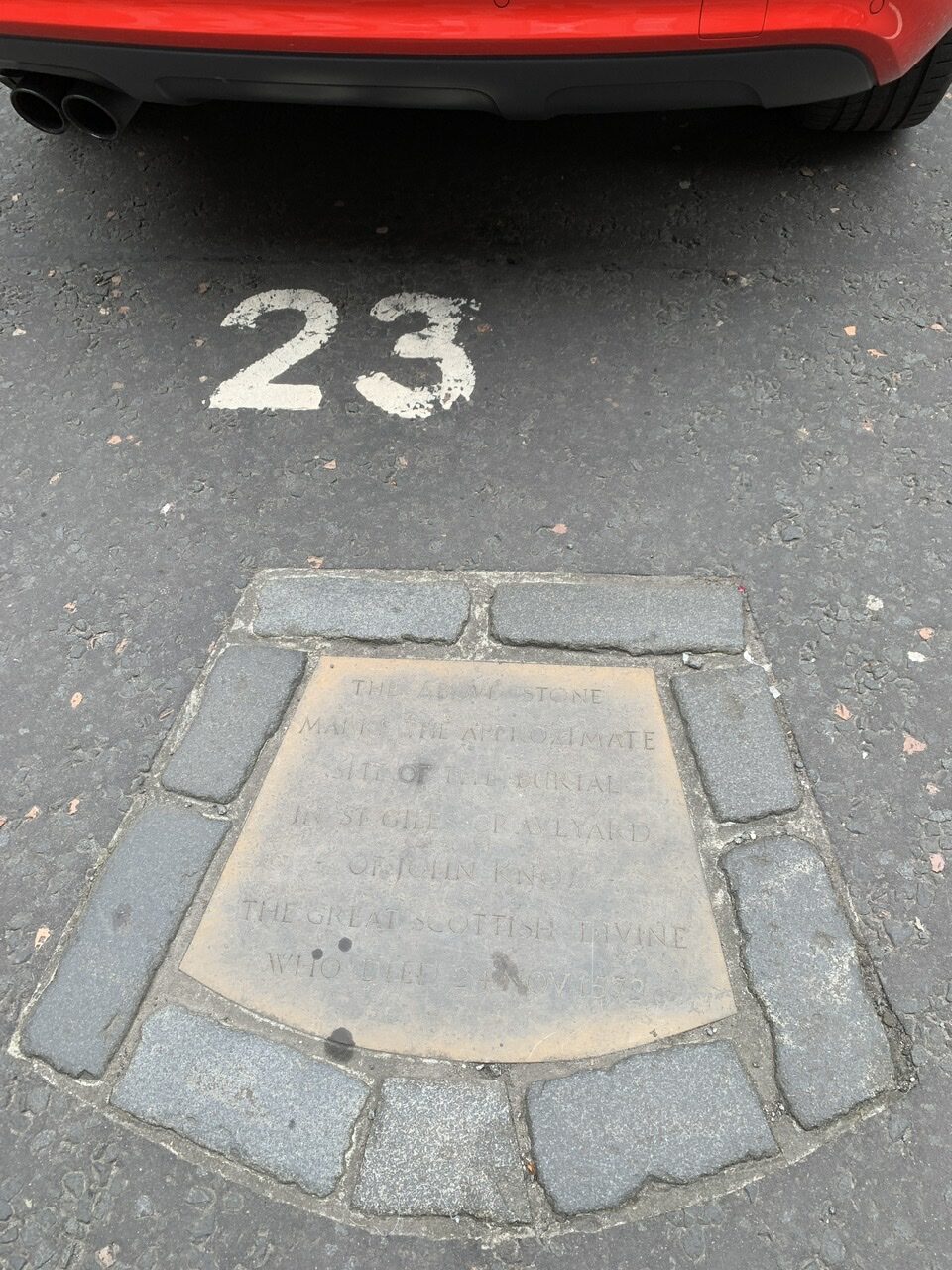
in the parking lot,
behind St Giles
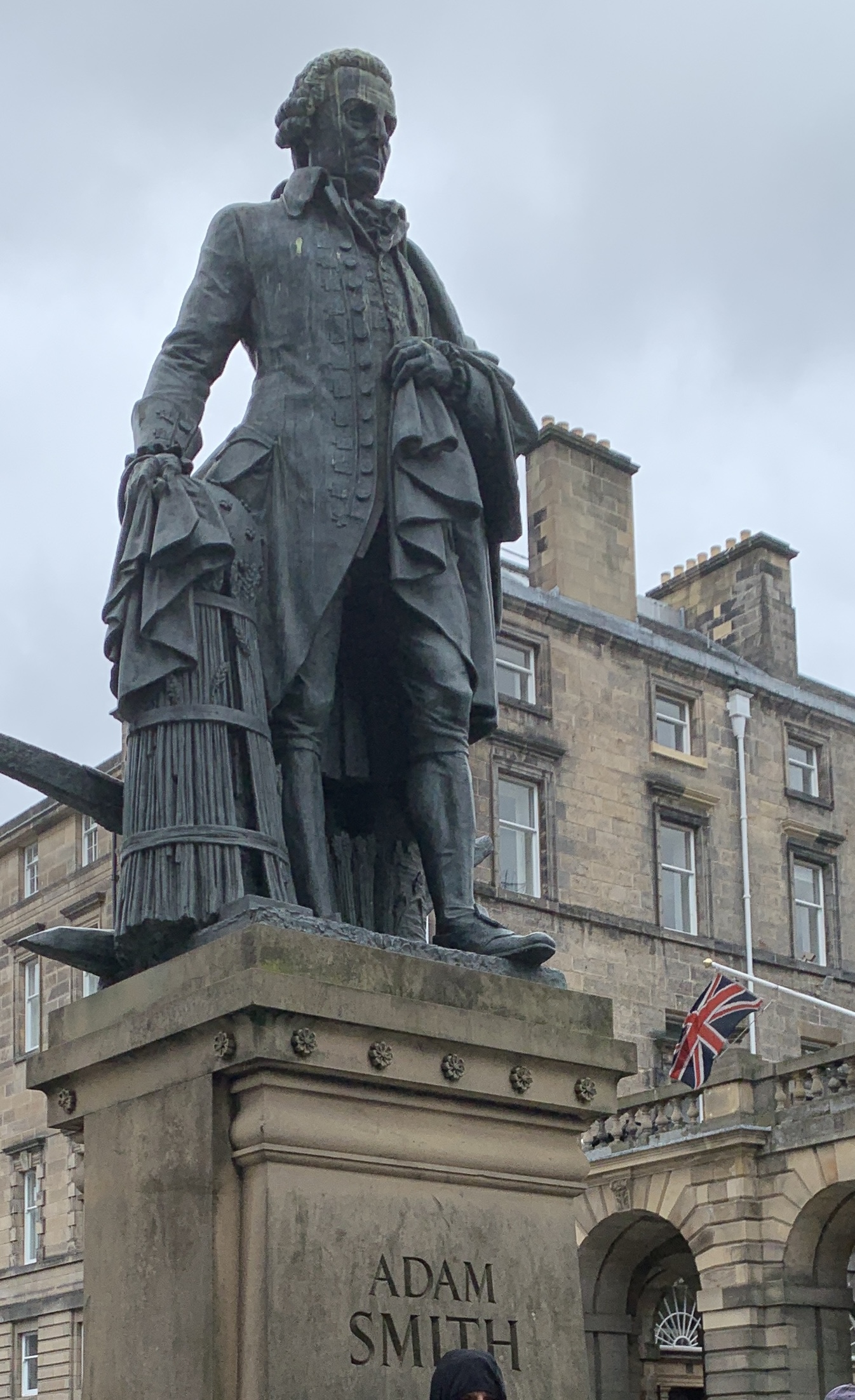
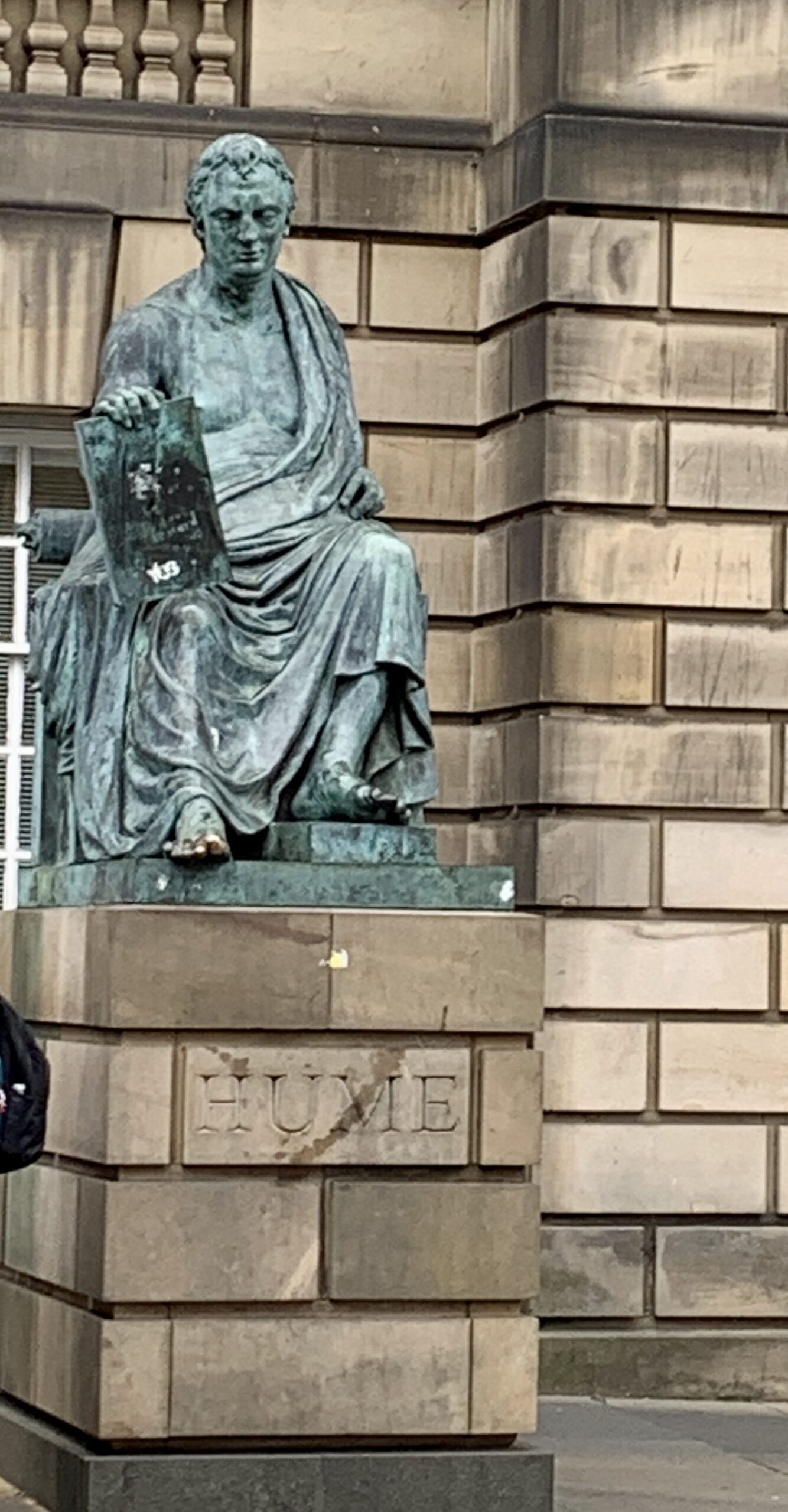
A walk down the Royal Mile features tributes to other Edinburghians who shaped the modern world.
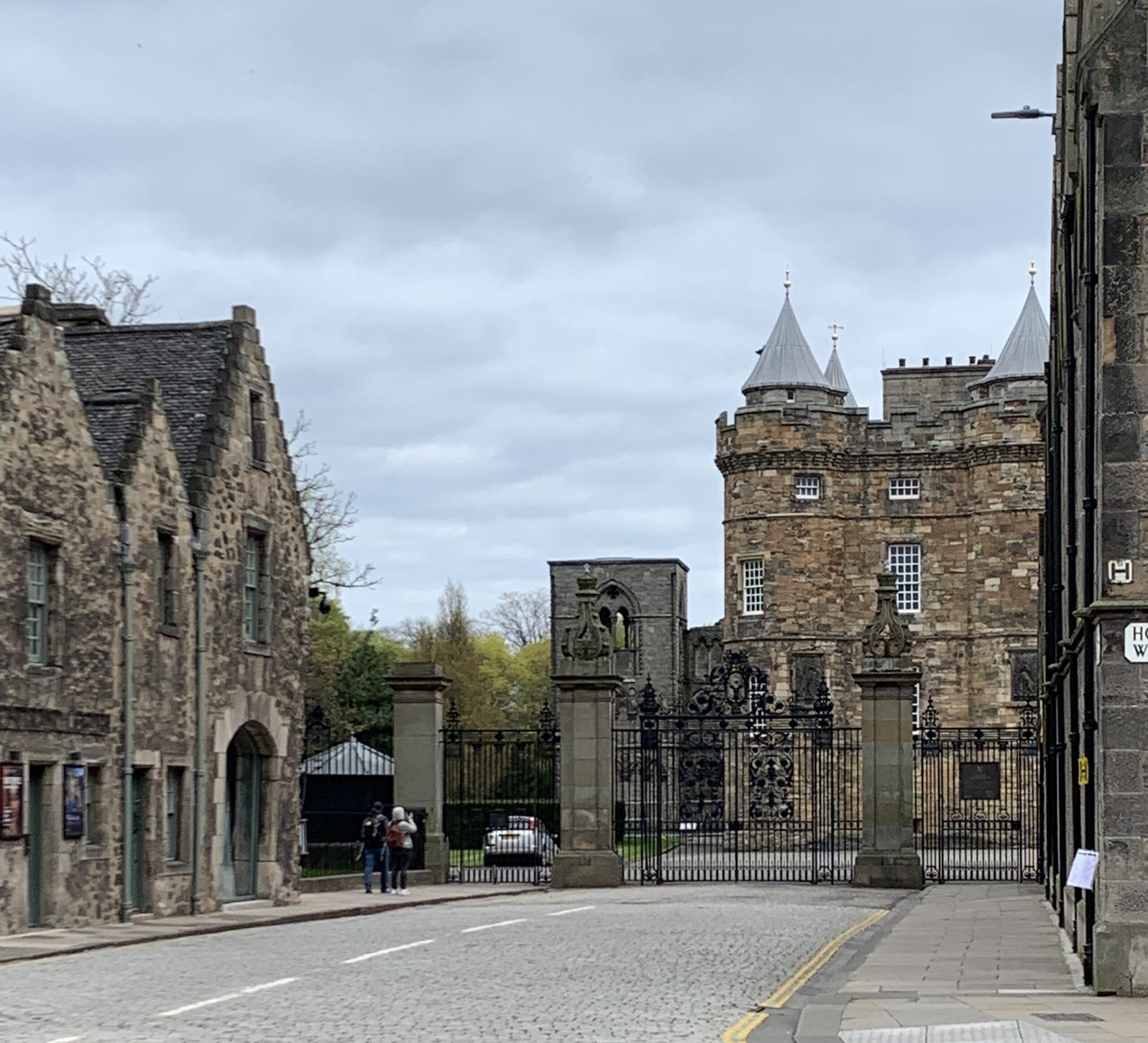
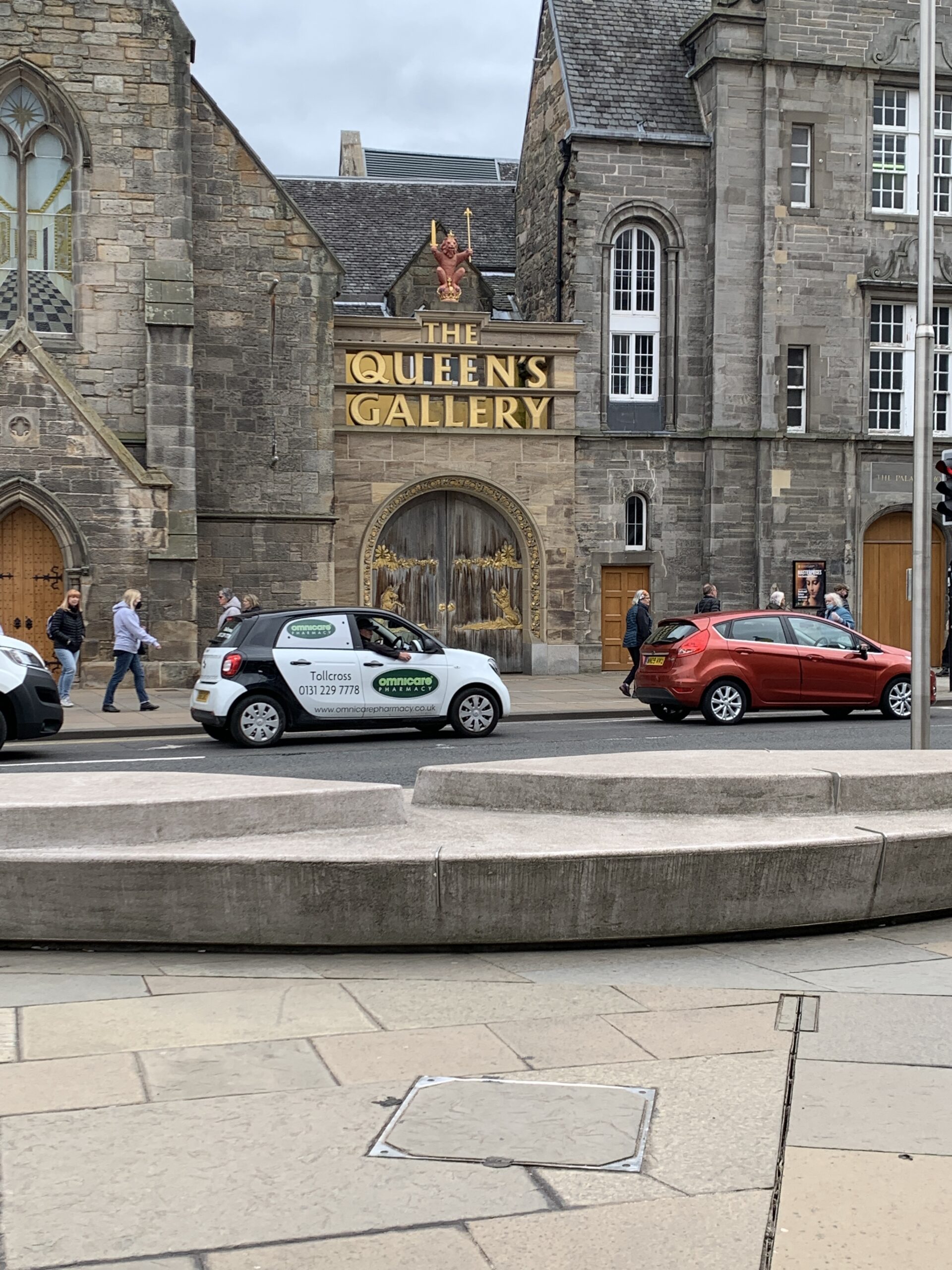
The queen is sometimes in residence at Holyrood Palace, at the bottom of the Royal Mile.
Home via taxi from Sainbury’s, we put our feet up and enjoyed an adult beverage, gathering our strength to venture forth once more, this time to Bertie’s Proper Fish and Chips. The celebrity photo wall includes HRH the Duchess of Cornwall chowing down on said fish and chips. We did likewise. At table next to us, a young Chinese woman was introducing her visiting parents to this exotic British fare.
On the way back to our hotel, Richard spotted this:
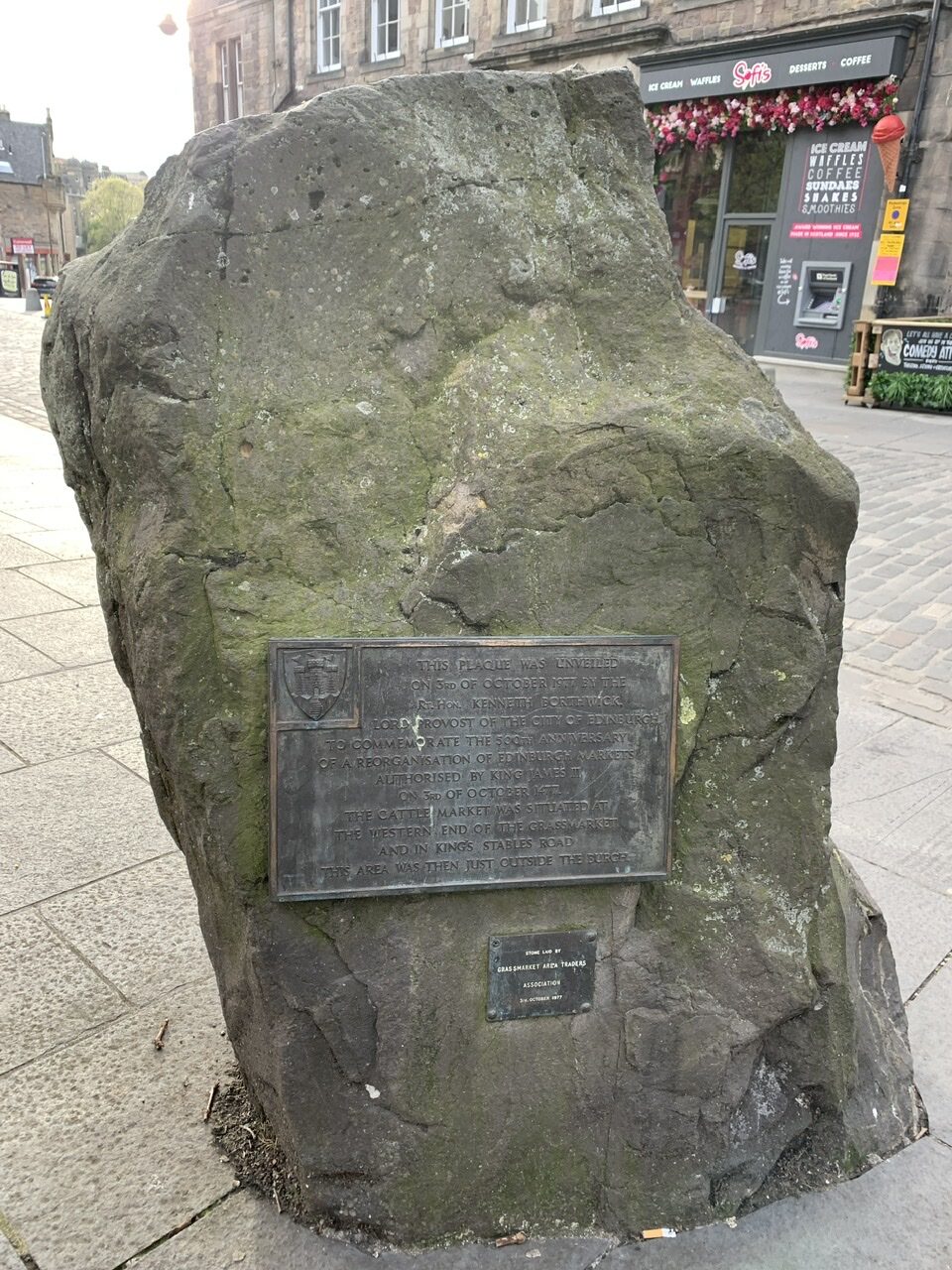
the 500th anniversary of Edinburgh market.