In 1988, when I took my first flight overseas, on TWA, when the Internet was principally the preserve of the military and certain universities, when the World Wide Web was only a glimmer in Tim Berner-Lee’s eye, when normal people did not own mobile phones (which anyway were the size of shoe-boxes and required their own porter), today’s problem of needing a smart phone with cellular service for most aspects of travel would’ve sounded bizarre, a problem from Star Trek.
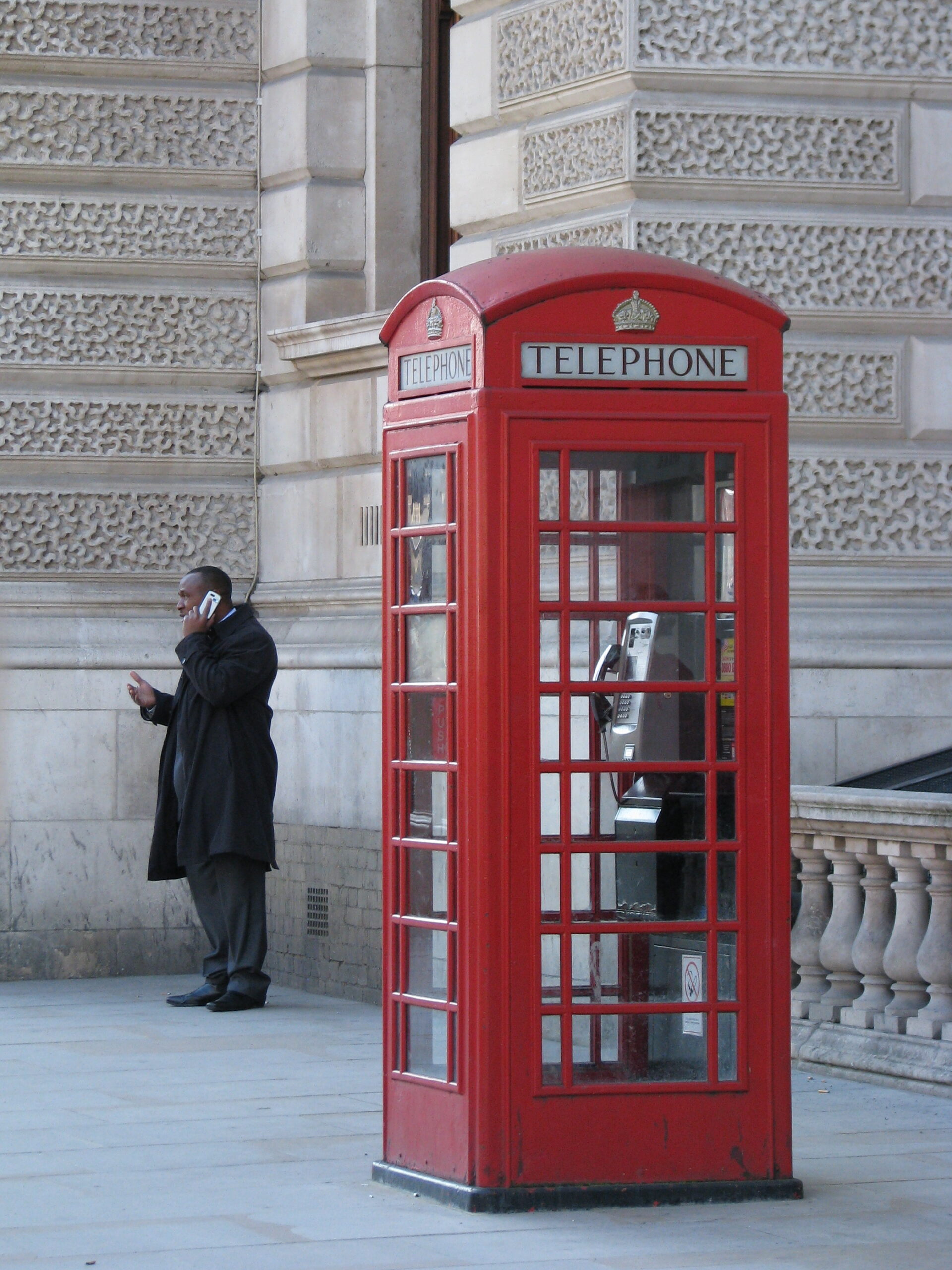
But in 2022, it’s become harder almost impossible to travel without cell (by which I mean a smartphone with cellular service). Some of the difficulty is simply that one has gotten used to having the internet available all the time. Granted, one can make do. Downloaded Google maps, old-fashioned paper maps, and car navigation relieve some of the anxiety of driving through unfamiliar territory. Not being able to search on-the-go for a good lunch spot or warnings about road conditions is an inconvenience. Not being able to contact waiting friends or hosts about delays is more awkward, since public phones have almost disappeared.
But the real difficulty of traveling without cell is the expectation that you have a smart phone with continuous cell access and that you will use it for boarding passes, venue tickets, special ID (our rail passes) and other credentials. Eden Project, for example, expects you to download biome maps rather than receive a paper map. (They, almost alone, do offer decent public WiFi.) Eateries may expect you to scan a QR code to see a menu and to order, paying of course also with your phone. Sometimes you can “get a human” to take an order or resolve a problem or scan your credit card; but some places, notably parking lots, expect you to pay by phone or with coin. No cards.
This trend has been coming for a while, but Covid and “contactless” interactions and payment really accelerated it.
We had hoped to live without cell for this trip because our carrier jacked up the price of their international roaming charges: $10 per day for the “day pass,” automatically activated if you used cell. For the most part we managed without, downloading Google maps when we had WiFi, using a VPN for security, and renting a car with navigation.
Nonetheless, we had to give in for a couple days because the rental car’s navigation couldn’t, among other failings, tell us where gas stations were. Ironically, there were other times when we were willing to pay the “day pass” fee, but found our phone had no service and couldn’t even make calls.
For future international travel, I must investigate if I can jailbreak my iPhone so I can swap out the SIM card for a local prepaid one. We have purchased local burner phones in the past, but with mixed success, and US carriers do not always provide reliable service–even if you’ve coughed up the excessive fee they charge. But however we do it, we will make sure we have full cell coverage on the next trip.
As I noted above, it’s funny how things have changed. My first trips to England were phoneless. Six years later email emerged as a business necessity; the Internet cafe was born, and and for a few pounds an hour, I could stay in touch with clients, as well as with friends who were online, and respond to inquiries generated by my website. Eventually, when even hotels offered WiFi, laptops replaced the Internet cafe. Then mobile phones shrank and got smart, becoming the miniature computers to which we are now tethered.