St Cuthbert’s, Norham
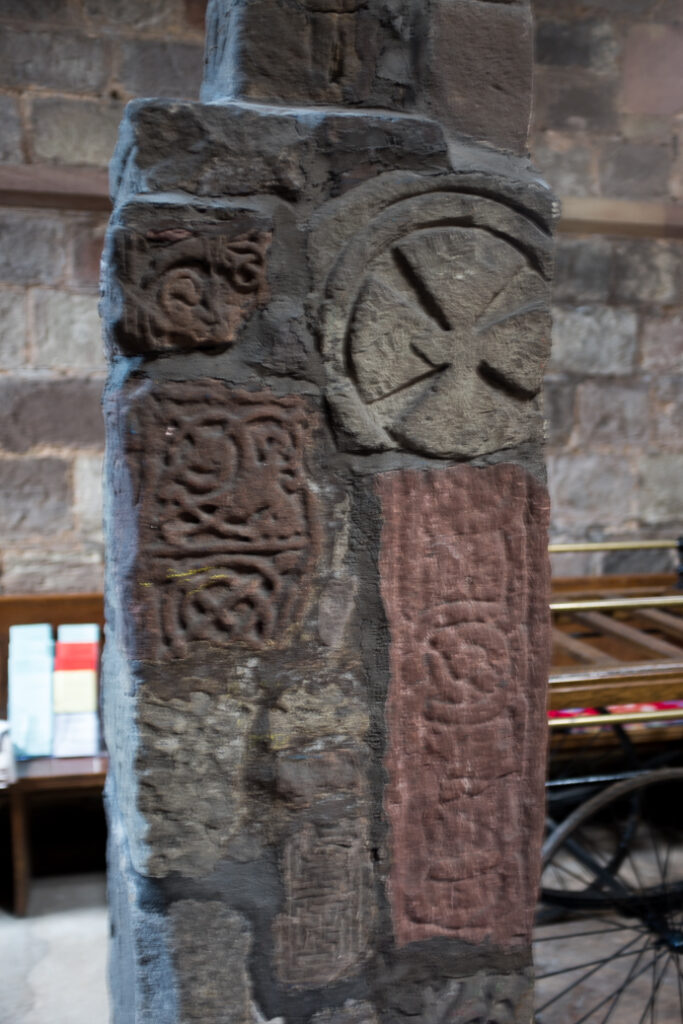
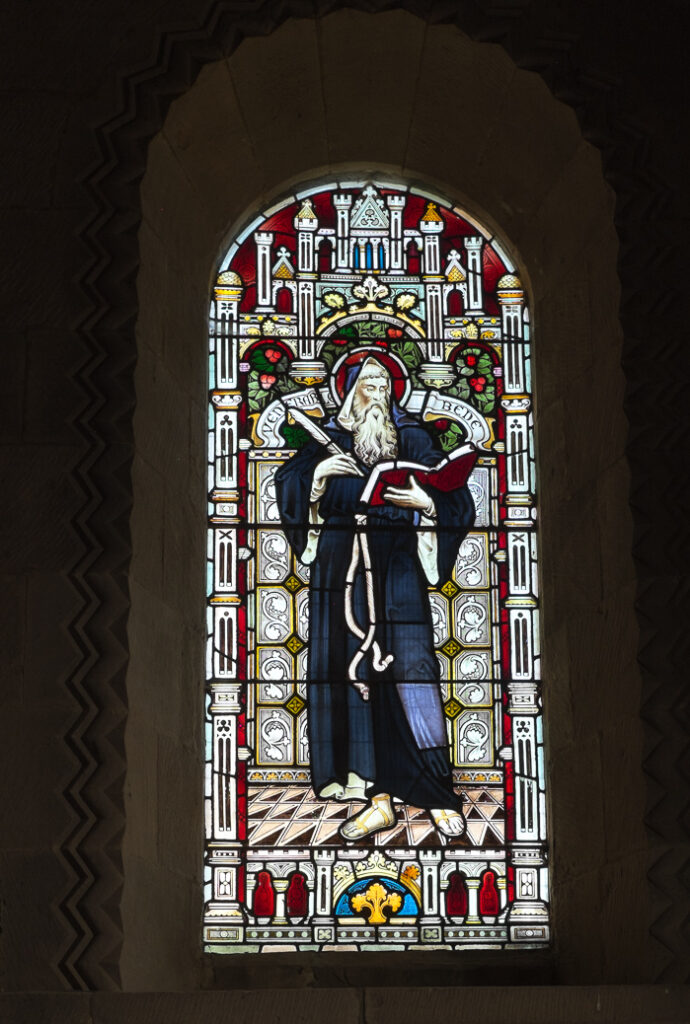
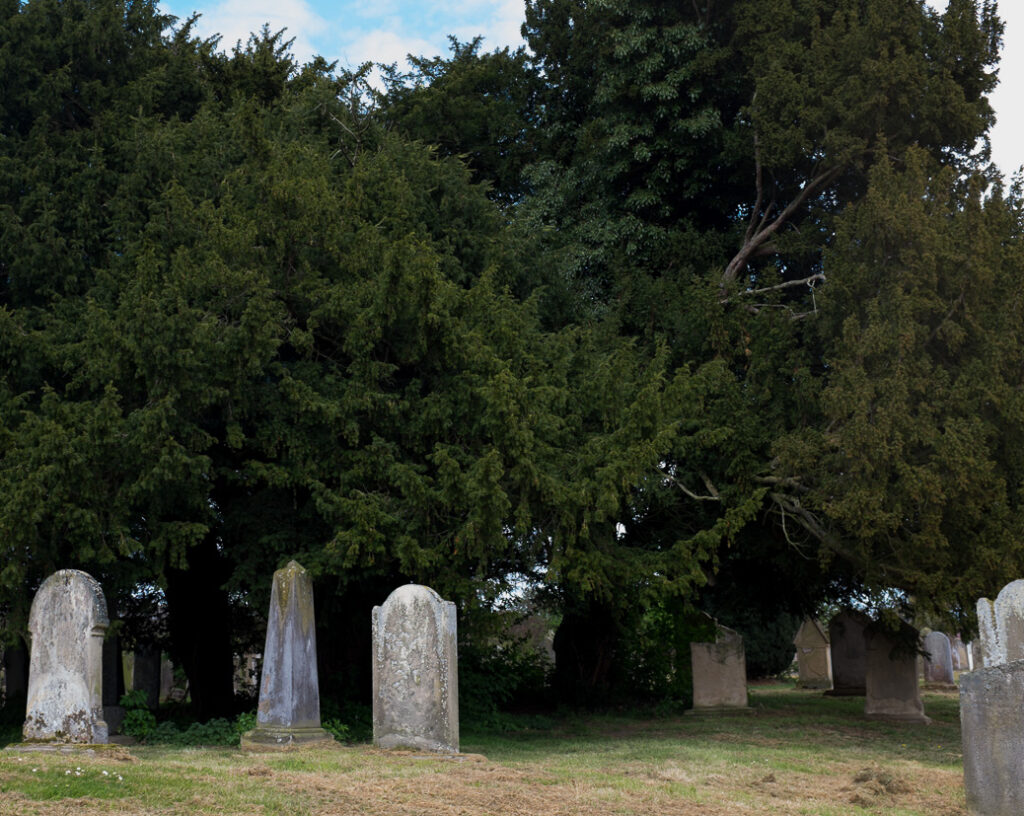
Norham is reputedly the place where, in 635 AD, St Aidan crossed the River Tweed (at Ubbanford) on his way from Iona to establish his monastery on the Holy Island of Lindisfarne. King Oswy made a grant of land for a monastery at Norham in 655 AD, and it’s said that, when a stone church was built on Holy Island, the existing wooden structure was transferred to Norham. Ecfrid, Bishop of Lindisfarne, built a stone church in Norham between 830 and 845 AD. The site of this church, probably to the east of the present church, is now occupied by a clump of yew trees.
Viking raids on the Northumbrian coast resulted in the flight of the monks from Lindisfarne in about 875 AD, along with the coffin and body of St Cuthbert. It’s been suggested that the monks travelled by sea and up the River Tweed to Norham, where they stayed for a time, before continuing the journey that eventually ended at Durham.
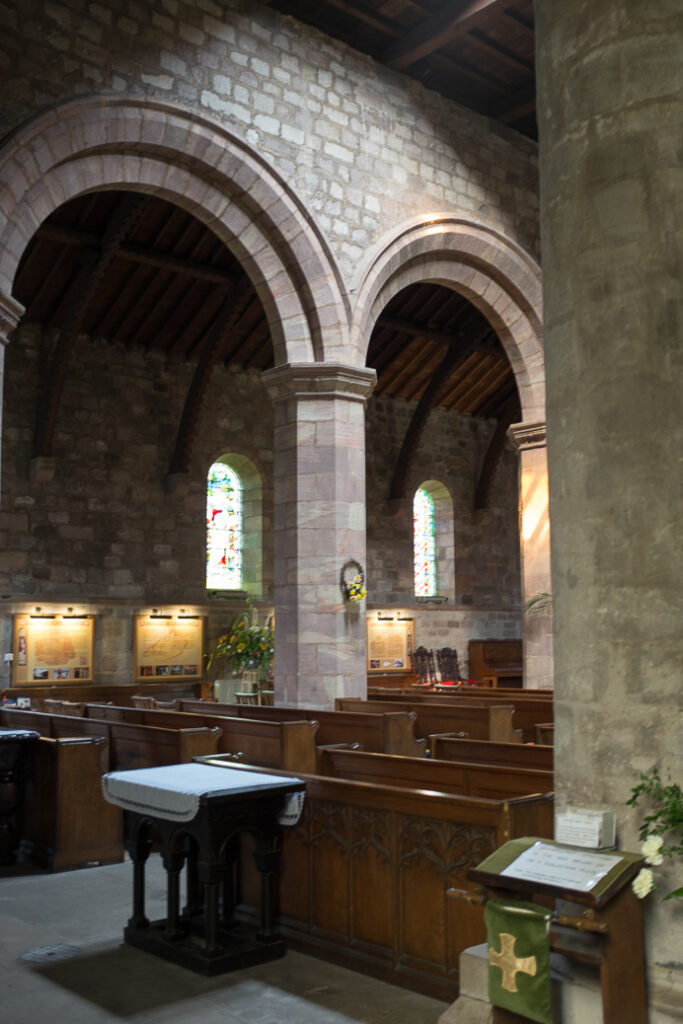
Norham (a corruption of ‘North Durham’) was the northern stronghold of the Bishops of Durham (the Prince Bishops). We know that a church still existed in Norham in 1082, since it was given by the then Bishop of Durham to the newly founded Durham Convent. But, in 1136/38, King David of Scotland destroyed the church together with the village and the castle at Norham. The Scots then occupied the land until it was retaken in 1157, and it seems likely that Bishop Puiset rebuilt both the church and castle sometime after that date
from Celebrating 850 Years of Norham Church